


You know what you need to do. You’ve known for a while. But something keeps stopping you — and that something is you. Not bad luck. Not other people. You. Understanding why this happens isn’t simple. Your brain, your past, and your identity are all working against you in ways you can’t see yet. That’s exactly what makes this worth figuring out.
What Does “Getting in Your Own Way” Actually Mean?
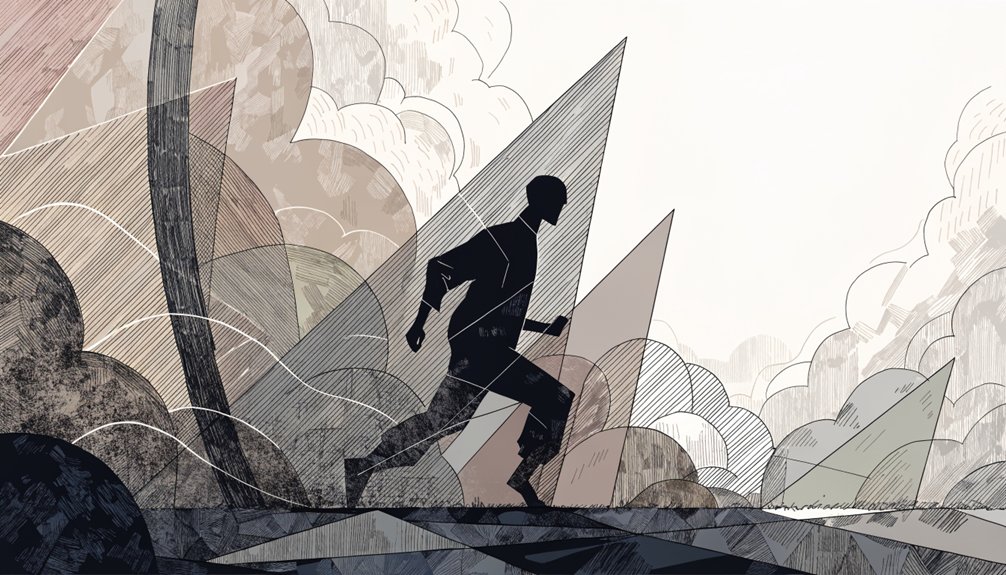
Getting in your own way means you’re the reason you’re not moving forward. It’s not outside forces. It’s you. Your thoughts block you. Your choices slow you down. Your habits keep you stuck.
This happens more than most people admit. You know what you need to do. You don’t do it. That gap between knowing and doing is where the problem lives.
Self awareness strategies help you see this clearly. You start to notice the patterns. You catch yourself before you repeat them. That’s the first step.
Then come mindset shifts. You stop blaming your circumstances. You start taking responsibility for your actions. You change how you see the problem.
Getting in your own way isn’t a flaw. It’s a habit. Habits can change. But first you have to see them for what they are. That takes honesty. Most people avoid that part.
Research shows that 43% of daily behavior operates automatically, outside your conscious awareness, which means many of the patterns keeping you stuck aren’t decisions at all—they’re automatic responses.
Why Does Your Brain Treat Progress Like a Threat?
Your brain doesn’t like change. It treats progress like a threat. This is called threat perception. Your brain wants to keep you safe. But safe often means still. When you try to move forward, your brain sends a warning. That warning creates mental resistance. It slows you down. It stops you sometimes.
Your comfort zone feels safe because it’s familiar. Leaving it triggers progress anxiety. Your brain doesn’t know the difference between real danger and growth. It just feels the unfamiliar and pulls back. This is where subconscious blocks form. They don’t ask your permission. They just appear.
Fear change long enough and it becomes a pattern. These patterns become psychological barriers. They sit between you and what you want. Your brain builds a safety zone around your current life. It defends that zone hard. That defense is often what gets in your way. Many individuals describe this same problem without understanding that automatic behavior patterns drive these protective mechanisms, not conscious choice.
The Role of Identity in Keeping You Stuck
Identity shapes what you believe you’re allowed to become. You build a story about who you are. That story feels true. So you protect it. When personal growth asks you to change, your brain reads it as a threat. You’re not lazy. You’re loyal to an old version of yourself.
A self perception shift feels like losing something. It can trigger an identity crisis. You don’t know who you’re without your old habits and limits. That confusion is real. But it’s also a sign that something important is changing.
Identity transformation isn’t comfortable. It asks you to let go of a familiar self. Most people refuse. They stay small because small feels safe.
You keep getting in your own way because change means becoming someone you don’t recognize yet. That’s frightening. Research shows that 43% of daily behaviors operate automatically, which means you’re often reinforcing your old identity without conscious awareness.
But your current identity isn’t fixed. It was built. It can be rebuilt.
How Past Experiences Wire Self-Sabotage Into You

What you believe about yourself didn’t come from nowhere. Traumatic memories leave marks. Your brain recorded what hurt you. It built conditioned responses to protect you from more pain. Those responses became habitual patterns. They repeat automatically. You don’t choose them consciously.
Emotional triggers pull you back to old pain. A harsh word. A failure. A moment of rejection. Your subconscious beliefs activate fast. They tell you that you’re not safe. That you’re not enough. That trying leads to loss.
Negative reinforcement taught you to avoid. Avoiding felt like relief. Relief felt like safety. Your brain kept that lesson. Fear of change grew from that same place. Change means unknown outcomes. Unknown outcomes once meant danger.
These protective strategies made sense once. They kept you safe when you were small. Now they keep you stuck. The threat is gone. The pattern remains.
Why Can’t Willpower Override What Your Brain Does Automatically?
Willpower lives in the thinking part of your brain. It’s slow. It takes effort. Your automatic responses live somewhere deeper. They’re fast. They don’t ask for permission.
When you try to force change through willpower alone, you create cognitive dissonance. Your thinking brain wants one thing. Your automatic brain does another. The conflict exhausts you. Eventually, the automatic response wins.
This happens because your brain built those automatic responses to protect you. It learned them from pain, fear, or repeated experience. Your brain trusts them. It doesn’t easily hand that control over to willpower.
Willpower can work for small things. It can push you through a hard moment. But it can’t rewrite what your brain has practiced for years. That takes something different.
It takes changing what your brain believes is safe. Until that changes, willpower fights a battle it’s not built to win.
Why Does Self-Sabotage Feel Like the Logical Choice?
Sometimes self-sabotage doesn’t feel like destruction. It feels like the safe choice. Your brain weighs the risks. It decides that trying and failing is worse than not trying at all. That calculation feels logical. It isn’t.
Your emotional fears drive that math. Fear of rejection. Fear of looking foolish. Fear of success and everything that comes after it. These fears feel like reasons. They dress themselves up as good judgment.
That’s where cognitive dissonance comes in. You tell yourself you want to grow. But your actions move away from growth. You hold both things at once. You don’t notice the contradiction because the fear is louder than the goal.
The Hidden Reward of Staying Small

Staying small has a payoff. It feels safe. You don’t have to risk anything. You don’t have to face your fear of failure. Your comfort zone protects you from discomfort. That protection feels like a reward.
But the reward is false. It keeps you stuck. You avoid pain now. You create more pain later. The longer you stay small, the harder it gets to move.
Your brain learns from this pattern. It sees staying small as survival. It repeats the behavior because it worked before. This is why self-sabotage feels normal. It has been rewarded many times.
You aren’t weak for doing this. You’re wired for it. But wiring can change. You have to see the hidden reward first. You have to name it.
Once you see what staying small gives you, you can choose to want something else.
What’s Actually Driving Your Self-Sabotage?
Most people think self-sabotage is about laziness. It’s not. It’s about fear. Specifically, it’s about fear of failure. You don’t avoid things because you don’t care. You avoid them because you care too much. Failing would hurt. So your brain stops you before you even try.
There’s also the comfort zone. Your brain treats it like safety. Anything outside it feels like a threat. Growth feels like danger. So your brain pulls you back. It does this without asking you.
Self-sabotage is protection. It’s your brain doing its job badly. It keeps you safe from pain. But it also keeps you stuck.
You’re not broken. You’re responding to fear. That response made sense once. Now it’s costing you.
The behavior isn’t the problem. The belief underneath it is. Find the belief. That’s where the real work starts.
People Also Ask
Can Self-Sabotage Ever Be a Sign of a Deeper Mental Health Condition?
Yes, self-sabotage can signal deeper mental health conditions. You’ll benefit from self-reflection practices to identify patterns and understanding triggers that drive harmful behaviors, helping you recognize if professional support is needed.
Does Self-Sabotage Affect Some Personality Types More Than Others?
Yes, self-sabotage does affect certain personality types more. If you’ve got introverted tendencies or anxious behaviors, you’re more likely to overthink, avoid opportunities, and unconsciously undermine your own success and relationships.
How Long Does It Typically Take to Break Self-Sabotaging Patterns?
Breaking self-sabotaging patterns typically takes three to six months. You’ll accelerate progress by combining self reflection practices with proven habit change strategies, consistently applying them daily until healthier responses replace your automatic, destructive behaviors.
Can Self-Sabotage Develop Later in Life Without Childhood Trauma?
Yes, self-sabotage can develop without childhood trauma. You can experience adulthood origins through major life changes, failures, or relationship breakdowns. These events create self-sabotage triggers that reshape how you perceive your own capabilities and worthiness.
Are There Physical Symptoms That Signal You Are Self-Sabotaging?
Like a storm brewing before it breaks, your body warns you. You’ll notice physical triggers like tension headaches or fatigue, alongside emotional signs such as anxiety and restlessness, signaling you’re self-sabotaging.
The Bottom Line
You’re not broken. You’re just running old code. Your brain learned to protect you. Now it blocks you instead. The patterns feel automatic because they are. But automatic doesn’t mean permanent. You can rewrite what drives you. It starts with seeing clearly. Then it takes small, repeated action. You already know something is wrong. That awareness is enough to begin. Now you have to choose what comes next.