


You had the opportunity. You saw it clearly. Then something in you pulled back. You didn’t lose it by accident. You made small choices that added up to one big loss. This happens more than once. It follows a pattern. That pattern has a source. Understanding it won’t be comfortable. But it’s the only way to stop repeating it.
When You Watch Yourself Self-Sabotage Something Good

There’s a moment you know well. Something good is in front of you. A job. A relationship. A chance. Then you watch yourself pull away. You don’t always know why. But you feel it happening.
This is self-awareness. It’s the first of many self awareness strategies you’ll need. Your emotional triggers are firing. Old behavior patterns are running the show. You freeze. You sabotage. You leave before you can be left. These are coping mechanisms that once kept you safe. Now they cost you.
Research shows that 43% of daily behavior operates automatically, outside your conscious control, which explains why willpower alone feels insufficient against these entrenched patterns. Mindset shifts don’t happen overnight. Resilience building takes repeated effort. You have to face what you keep doing. Name it. Track it. That’s how motivational techniques start working. Not with big speeches. With small, honest steps.
Personal growth begins when you stop pretending the pattern isn’t there. You see it. Now you work with that.
Why Self-Sabotage Gets Worse When the Stakes Are Real
Something changes when the stakes get real. A small chance feels safe to lose. A real chance feels dangerous to have. The more something matters, the harder your mind works against it.
This isn’t random. Your brain connects high value with high risk. It starts protecting you before you even decide to act. The sabotage comes early and fast.
This is when self reflection exercises become necessary. You need to stop and name what’s happening. Write it down. Be specific. Vague awareness changes nothing.
Cognitive behavioral techniques help you challenge the thought underneath the behavior. The thought is usually something like “I don’t deserve this” or “this will end badly.” Those thoughts feel true. They’re often not.
Research shows that 43% of daily behavior operates automatically, beyond your conscious control, which is why these sabotaging patterns feel so difficult to interrupt even when you recognize them.
The stakes being real means the pattern works harder. You have to work harder too. That’s the only way through.
Why Your Brain Treats Real Opportunity Like a Threat
Your brain reads a real opportunity the same way it reads danger. It fires off fear signals even when nothing is actually threatening you.
The comfort of staying stuck feels safer than the unknown that comes with winning. Since approximately 43% of daily actions operate on autopilot without conscious decision-making, these automatic fear responses keep you trapped in familiar patterns even when opportunity presents itself.
Opportunity Triggers Fear Response
When a real opportunity shows up, your brain can treat it like a threat. This is a stress response. Your brain runs a quick risk assessment. It finds uncertainty. Uncertainty feels dangerous. So it sends fear signals.
This isn’t a flaw. It’s how your brain protects you. But it works against opportunity mindset. The fear creates anxiety. Anxiety awareness helps you see what’s happening. Your brain uses cognitive biases to justify pulling back. It finds reasons to avoid.
Confidence building becomes harder when fear is in charge. Emotional resilience is what lets you move forward anyway. Fear management isn’t about removing fear. It’s about acting despite it.
The threat isn’t real. The opportunity is.
Familiar Discomfort Feels Safer
Staying in pain you know feels safer than stepping into something new. Your brain prefers familiar patterns. It knows what to expect from your current situation. Even if that situation hurts, it feels predictable. Predictable feels manageable.
New opportunity doesn’t feel manageable. It feels unknown. Your brain reads unknown as dangerous. So it pushes you back toward what’s familiar. This isn’t weakness. It’s how your mind tries to protect you.
Emotional comfort doesn’t always mean feeling good. Sometimes it just means feeling certain. You’d rather stay in a hard place you understand than move toward something good you don’t.
That’s why you pull back. That’s why you self-sabotage. Your brain is choosing familiar pain over unfamiliar hope.
Success Disrupts Your Identity
Familiar pain keeps you stuck. But success creates a different problem. It disrupts your identity. You’ve built a version of yourself around struggle. When opportunity arrives, it threatens that version.
This triggers identity crisis and success anxiety. Your brain doesn’t trust the new picture. It asks: “Is this really me?” Imposter syndrome kicks in. You feel like a fraud. Your underlying beliefs say you don’t deserve more.
Self worth issues run deep. You’ve developed an emotional attachment to who you’ve always been. Fear of change makes the old life feel safer.
Personal growth requires you to let that old self go. That’s hard. So you sabotage instead. You kill the opportunity before it can change you.
The Fear That Hides Behind Laziness and Distraction

What looks like laziness is often fear. You scroll your phone instead of starting. You clean your room instead of applying. These are avoidance mechanisms. They keep you busy so you don’t have to face what scares you.
Fear-induced procrastination doesn’t feel like fear. It feels like low energy. It feels like not being ready. It feels like bad timing. But the timing is never the problem.
You’re afraid of trying and failing. You’re afraid of trying and succeeding. Both feel dangerous. So your brain finds other things to do. It protects you by keeping you stuck.
The distraction isn’t random. It’s chosen. Some part of you picks it on purpose. That part believes staying still is safer than moving forward.
It’s not laziness. It’s a defense. And defenses only work until they cost you more than they protect you.
Why Success Feels More Dangerous Than Failure
Success sounds like the goal. But the success paradox is real. Winning can feel more threatening than losing. This is achievement avoidance in action.
When you sense fear excitement before a big moment, your brain treats it like danger. Your risk assessment system gets confused. It can’t separate good stress from bad stress. So it pushes you to retreat.
Opportunity anxiety kicks in when success feels too big to hold. You worry about what comes after. You don’t trust yourself to maintain it. That’s a trust issues problem at its core.
The perfectionism trap makes it worse. You’d rather not try than try and disappoint yourself. That’s the self worth dilemma. Your value feels tied to the outcome.
Growth discomfort is unavoidable. Success changes things. Change feels unsafe. Building emotional resilience means learning to stay when everything in you wants to run.
The Childhood Beliefs That Make Success Feel Unsafe
The beliefs you carry about success were built when you were very small.
Your mind formed rules before you could question them.
Those rules still run quietly in the background today.
Success Triggers Old Wounds
Sometimes achieving something good can feel dangerous. Your brain learned this early. As a child, success may have brought punishment. It may have brought jealousy from others. It may have brought more pressure than you could handle.
So your mind connected success with pain. That connection still lives inside you. It acts like an old wound. Wound healing takes time. It also takes awareness. You have to see the pattern before you can break it.
Right now, success feels like a threat. That’s why you pull back. That’s why you ruin things. It isn’t weakness. It’s protection. But old protection can become a new trap.
Building an opportunity mindset means teaching your brain that good things are now safe.
Beliefs Formed Before Logic
Before you could reason, you already believed. Your brain built interpretive frameworks before logic existed in you. These frameworks came from what you saw and felt as a child. They weren’t chosen. They were absorbed.
If success brought punishment, you learned success was dangerous. If achievement made others leave, you connected winning with loss. These early lessons became cognitive biases you carry now. They shape how you read every new situation. Your adult mind inherits conclusions your child mind made under pressure.
The child had no better tools. But those old beliefs still run quietly in the background. They don’t announce themselves. They just make certain outcomes feel wrong. That feeling isn’t wisdom. It’s old programming. And old programming can be wrong.
Safety Found In Struggle
Struggle can feel like home. If your early life was hard, your brain learned that hardship is normal. Calm and ease can feel wrong. Success can feel like a trap. You mightn’t trust good things to last. So you wreck them first. This protects you from being surprised by loss.
It’s a pattern. It kept you safe once. But it holds you back now. Overcoming discomfort starts with seeing this pattern clearly. You have to recognize that safety doesn’t only live in struggle.
Embracing growth means tolerating calm even when it feels unnatural. It means letting good things stay. Your old wiring made sense then. It doesn’t serve you now. You can choose differently.
But first you have to see what you’re doing and why.
Why Trying Harder Doesn’t Stop Self-Sabotage
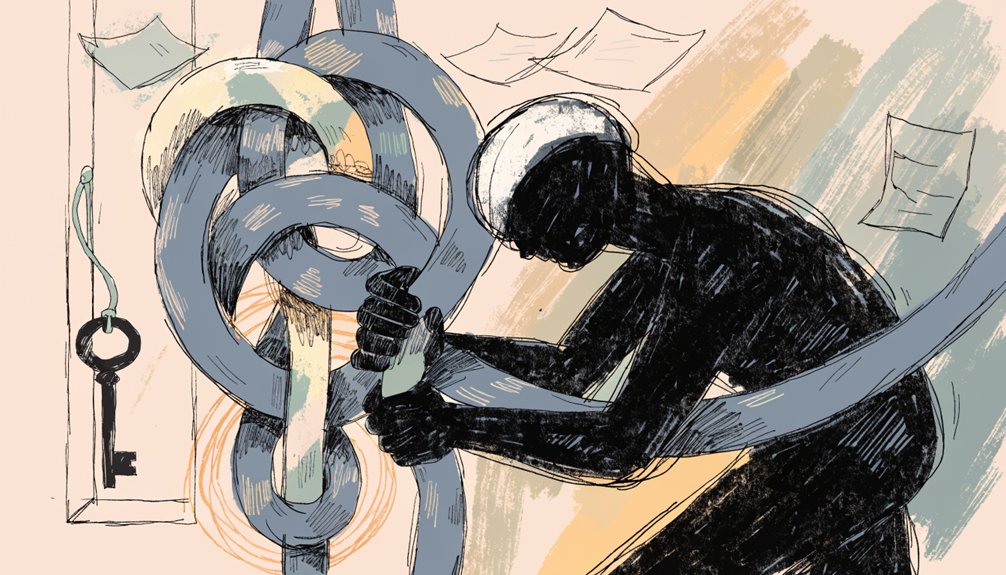
Many people think trying harder will fix self-sabotage. It won’t. Effort alone doesn’t reach the root cause. You can push yourself every day and still wreck what matters most. That’s because the problem isn’t laziness. It’s a pattern buried deep in how you learned to survive.
You repeat what feels familiar. Even pain feels safe when it’s all you know. Trying harder just adds pressure to an already broken system. It doesn’t change what’s underneath.
Self-awareness is what actually creates change. You have to see the pattern before you can stop it. That takes honesty. It takes slowing down instead of speeding up.
Emotional resilience doesn’t come from forcing yourself forward. It comes from understanding why you pull back. You can’t outwork a wound. You have to look at it directly.
Trying harder keeps you busy. It doesn’t make you better.
How to Break the Specific Pattern You Keep Repeating
Breaking the pattern starts with naming it exactly. Pattern recognition is the first real step. You can’t fix what you can’t see. Look at where things fall apart. Write it down. Journaling exercises help you track when it happens and why. Notice your emotional triggers before they take over. Self awareness practice means watching yourself without making excuses. You have to see the truth clearly.
Mindset shifts come after you understand the pattern. You start choosing differently. Coping strategies give you something to do instead of the old behavior. Visualization techniques help you rehearse a better response before the moment arrives.
You also need people around you. Accountability partners keep you honest. Support systems hold you steady during growth challenges.
These challenges will feel hard. That’s expected. Stay with the process. The pattern breaks when you stop feeding it.
People Also Ask
Can Self-Sabotage Ever Be a Sign of a Deeper Disorder?
Yes, self-sabotage can signal a deeper disorder. You’ll want to use self-awareness techniques to identify your emotional triggers, as patterns may point to anxiety, depression, or trauma requiring professional support.
Does Self-Sabotage Affect Relationships the Same Way It Affects Careers?
Yes, self-sabotage affects relationship dynamics just as deeply as careers. You’ll repeat familiar patterns, pushing people away before they can leave. Building self-awareness strategies helps you recognize these behaviors and break cycles that damage both love and professional growth.
Can Medication Help Reduce Self-Sabotaging Thoughts and Impulsive Decisions?
Yes, medication can help reduce self-sabotaging thoughts and impulsive decisions. It’s most effective when you combine medication effects with cognitive therapy, as both work together to help you rewire destructive thought patterns and behaviors.
How Long Does It Typically Take to Fully Overcome Self-Sabotage?
There’s no fixed timeline—it varies for everyone. By consistently applying self-awareness strategies and overcoming fear of failure, you’ll notice gradual progress within months, but true transformation often unfolds over years of dedicated personal growth work.
Are Certain Personality Types More Prone to Self-Sabotaging Behavior?
Yes, certain personality traits make you more prone to self-sabotage. If you’re highly neurotic or have low emotional intelligence, you’ll likely struggle more with recognizing and stopping the harmful patterns that undermine your success.
The Bottom Line
You’re not ruining good things by accident. You’re doing it because some part of you learned that staying small is safer. That belief isn’t true. But it feels true, and that’s why it keeps winning. You can’t outwork this with more effort. You have to find the belief and change it. That’s the only thing that stops the pattern. Nothing else will.