


You work hard. You make plans. Then something goes wrong — and you’re the one who made it go wrong. It’s not bad luck. It’s not other people. It’s a pattern, and it keeps repeating. You might not even notice it happening until the damage is done. That’s what makes it so hard to stop. Understanding why it happens is the first step toward actually changing it.
What Self-Sabotage Actually Is (And Isn’t)

Self-sabotage is when you get in your own way. You take actions that block your own goals. You might do it without knowing it. That’s what makes it hard to stop.
It’s not laziness. It’s not a character flaw. It’s a pattern. And patterns can be changed.
Self-sabotage often comes from emotional triggers. Something scares you. Something hurts. So you pull back or act out. The behavior protects you from something. But it also costs you something.
It’s not the same as making a mistake. Mistakes happen by accident. Self-sabotage happens in a cycle. You repeat it.
That’s why self awareness strategies matter. You have to see the pattern before you can break it. You have to notice what you’re doing and why. Research shows that approximately 43% of daily behavior operates on autopilot, driven by unconscious patterns you may not even recognize.
Once you see it clearly, you can start to change it.
Where the Pattern Usually Comes From
Most self-sabotage starts long before adulthood.
As a child, you learned what was safe and what wasn’t. Those early lessons shape how you act today, even when they no longer protect you. Research shows that 43% of daily behaviors operate automatically outside your conscious awareness, meaning many self-sabotaging patterns run on autopilot without you realizing it.
Childhood Wounds Shape Behavior
Many self-sabotaging patterns start in childhood. Early childhood trauma leaves marks. Those marks shape how you see yourself. They affect your self worth deeply.
Your family dynamics taught you certain rules. Some of those rules were harmful. They became behavioral patterns you still follow. When emotional triggers appear now, you react the old way. You use the same coping mechanisms you learned as a child.
Your attachment styles formed early too. They decide how close you let people get. Your inner child still carries those lessons. Some lessons protected you then. They hurt you now.
But recognizing this starts the healing journey. Understanding where you learned these patterns builds resilience building skills. The past shaped you. It doesn’t have to keep controlling you.
Fear Drives Self-Defeat
Fear is often the engine behind self-sabotage. It shapes fear based decisions before you even realize it.
Anxiety triggers push you away from things that matter. Self esteem issues make you doubt your right to succeed. Risk aversion keeps you stuck in safe but small places. Perfectionism patterns make starting feel impossible. Avoidance strategies become your default way of coping. You build walls and call it protection.
Subconscious beliefs tell you that you aren’t enough. Coping mechanisms form early and stay long past their purpose. Identity conflicts arise when success feels foreign to who you think you are.
Emotional resilience takes time to build. Fear doesn’t wait for you to be ready. It acts first. You follow.
Why the Same Situations Keep Triggering Self-Sabotage
Self-sabotage doesn’t happen randomly. It follows situational patterns. The same trigger events keep activating the same emotional responses. You react the same way every time. That’s not coincidence. That’s a behavior pattern locked inside you.
Your brain learned certain avoidance strategies early in life. It uses them now to protect you. But those coping mechanisms often cause harm. They block growth. They damage relationship dynamics. They reinforce self worth issues instead of fixing them.
Fear of success is one reason the cycle repeats. You get close to something good. Then you pull back. It feels safer to fail than to risk losing something you wanted.
Self reflection techniques can help you see the loop clearly. You have to look at when it starts. You have to trace it back to the root. Understanding the hidden costs and drains in your patterns reveals why these automatic behaviors persist even when you consciously want to change them.
Until you do that, nothing changes. The pattern keeps running.
Why Self-Sabotage Feels So Automatic and Hard to See
The hardest part about self-sabotage is that it doesn’t feel like sabotage. It feels normal. Your automatic responses kick in before you even think. Emotional triggers move faster than logic. Your brain runs on survival instincts built from old pain. You’re not choosing to fail. You’re reacting.
Subconscious driving means most of this happens below awareness. You don’t see it as a pattern. You see it as just life happening. Your habitual reactions feel like common sense. That’s cognitive dissonance at work. You hold two truths that clash. You want success but your identity conflict says you don’t deserve it.
Your internal dialogue fills in the gaps. It tells you a story that protects the pattern. Avoidance strategies feel like smart choices.
Self perception shifts happen slowly. You adjust what you expect from yourself. That adjustment feels like wisdom. It isn’t.
What Happens Right Before You Self-Sabotage
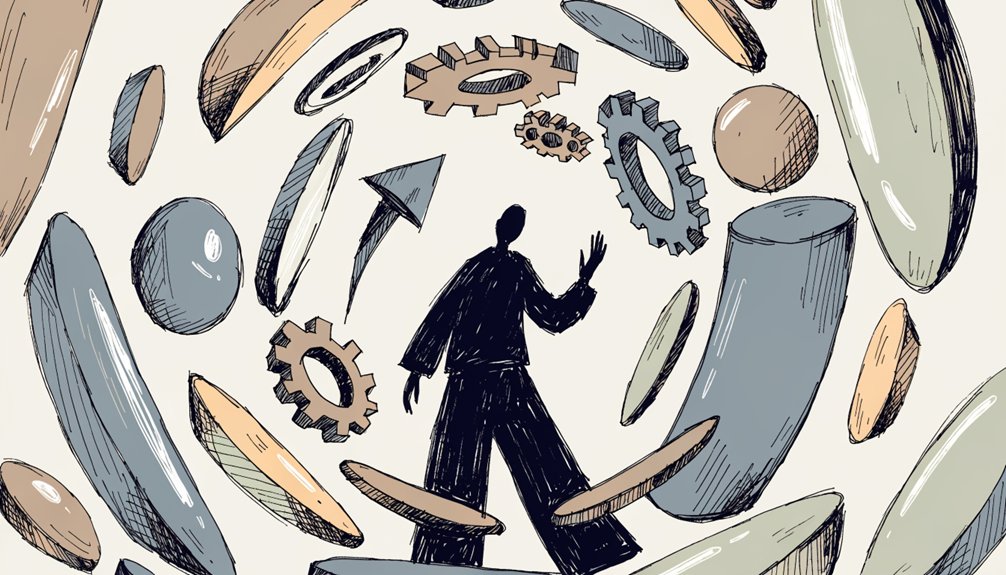
Before self-sabotage happens, there’s a moment. Something shifts. You mightn’t notice it right away. But something triggered it.
It often starts with triggering emotions. You feel a spike of fear or doubt. Sudden opportunities can cause this. You see a chance to move forward. Then anxiety spikes fast.
Your brain pulls from past experiences. It finds old fear associations. It treats the new moment like an old threat. Your stress response kicks in.
Then come the conflicting desires. Part of you wants to move forward. Another part wants to stay safe. That tension is the setup.
Negative self talk fills the gap. “You’ll fail.” “You don’t deserve this.” “It won’t work.” You start believing those thoughts.
You don’t decide to self-sabotage. It feels more automatic than that. But the moment right before it always follows the same pattern. Now you can start to see it.
Why Trying Harder Doesn’t Stop Self-Sabotage
When self-sabotage keeps happening, most people try harder. That rarely works. The problem isn’t effort. The problem is deeper.
Self-sabotage runs on subconscious triggers. You don’t choose them. They activate before you notice. Trying harder doesn’t reach them.
Your habit loops are automatic. Negative self talk runs quietly in the background. You may not even hear it. But it shapes what you do.
Fear of success keeps you stuck without feeling like fear. Perfectionist paralysis looks like caring too much. Strategic procrastination feels like planning. Self punishment patterns feel like discipline. None of them feel wrong in the moment.
Emotional overwhelm shuts down clear thinking. When you’re overwhelmed, more effort adds more pressure. That pressure feeds the same cycle.
Trying harder uses the same mind that created the problem. You need a different approach. Effort alone won’t break what effort didn’t build.
The Unconscious Payoff That Keeps You Stuck
Self-sabotage often has a hidden payoff.
Failing keeps you safe from bigger risks, like judgment or rejection. Your mind chooses the comfort of staying stuck over the fear of moving forward.
Hidden Benefits of Sabotage
Although it seems to work against you, self-sabotage often gives you something in return. These are called hidden rewards. They’re real, even if you don’t notice them.
You might avoid failure by never trying. You might avoid judgment by staying small. You might avoid responsibility by staying stuck. These outcomes feel safer than moving forward.
Your brain learns to repeat what feels safe. That’s how unconscious motives work. They run below your awareness. They protect you from things that feel threatening. You don’t choose them on purpose. But they still shape what you do.
The sabotage continues because it’s working on some level. It’s giving you something. Until you see what that something is, the pattern won’t stop.
Breaking the Comfort Cycle
Self awareness breaks this spell. You begin to notice the motivational paradox. You want better results but fear what better requires. That’s the fear of success. Growth threatens your identity. This is called identity clash. Your old self fights to survive.
Sabotage becomes one of your coping mechanisms. It protects the version of you that exists right now.
Seeing this clearly is the first real step forward.
How to Interrupt the Self-Sabotage Cycle Before It Completes
Breaking the self-sabotage cycle requires catching it early. Use mindful awareness to notice when something feels off. Emotional triggers often start the cycle. Learn to spot yours. Recognizing behavioral patterns helps you act before damage is done.
Self reflection techniques like journaling exercises build this skill over time. Write down what happened and why. Look for patterns across entries. Accountability partners keep you honest. Share your goals with someone who’ll check in.
Positive affirmations counter the negative voice that pushes you toward sabotage. Keep them simple and repeat them daily.
Coping strategies give you something to do instead of falling back on old habits. Choose one and practice it.
Goal visualization keeps the end result clear in your mind. Supportive environments reduce the chances of slipping. Change your surroundings when needed.
Small interruptions stop big failures before they start.
People Also Ask
Can Self-Sabotage Be Genetic or Inherited Through Family Behavioral Patterns?
Yes, you can inherit self-sabotage through genetic predisposition and behavioral inheritance. Your family dynamics shape your emotional triggers, passing down patterns unconsciously. You’re not doomed, though—you can recognize these tendencies and actively rewire them.
Does Self-Sabotage Show up Differently in Men Versus Women?
Yes, self-sabotage does show up differently across gender differences. You’ll notice men often suppress emotional responses, while women internalize societal expectations. Both develop unique coping mechanisms, but your patterns reflect your personal experiences more than strict gender rules.
Can Therapy Completely Eliminate Self-Sabotage, or Just Manage It?
Therapy won’t completely eliminate self-sabotage, but it’ll greatly reduce it. Through therapeutic approaches, you’ll build self-awareness strategies that help you recognize and interrupt destructive patterns before they take hold, giving you lasting control over your behavior.
Is Self-Sabotage Linked to Specific Personality Disorders or Diagnoses?
Yes, self-sabotage connects to specific diagnoses. You’ll often find it tied to anxiety disorders, borderline personality, and depression. Your attachment styles, self esteem issues, and maladaptive coping mechanisms frequently drive these patterns across various psychological conditions.
Can Self-Sabotage Behaviors Worsen With Age if Left Unaddressed?
Yes, self-sabotage can worsen as you age if you don’t address it. Age-related triggers like career setbacks and loss compound patterns, and without building emotional resilience, you’ll find these behaviors becoming more deeply ingrained over time.
The Bottom Line
Self-sabotage isn’t random. It’s a pattern you’ve been running for a long time. It protected you once. Now it just holds you back. You can’t stop it by wanting to stop it. You have to see it clearly first. Then you have to choose something different in the moment. That’s hard. But it’s the only way it changes. You’ve already started by understanding what’s driving it.