Is it normal to be angry all the time?
Everyone gets angry. It is one of the oldest feelings we have. In a 2024 survey of about 43,000 adults in the United States, most people said they feel irritable at least some of the time.
You get angry. Everyone does. The real question is how much, and what it does to your life.
Anger becomes a problem in three ways. It comes almost every day, not once or twice a week. It is bigger than the thing that set it off. Or it stays for years, as a grudge.
There is a fourth sign, and it is the simplest one. Your anger is a problem when it hurts your life. Sleep. Work. The people you love.
Many people who ask this question say the same thing. No idea why, just angry. Every thought comes out sharp. They tried working out, they tried meditating, and it did not help much. If that is you, keep reading.
One thing the researchers agree on: being irritable is not a flaw in who you are. It is something a person can learn to handle.
What anger is, in plain words
Anger is a signal from your body. It means something you care about is being blocked, hurt, or treated unfairly. The health service in Scotland puts it simply: anger is a normal, healthy emotion. Anger and aggression are different things. You can be very angry and hurt nobody.
Your body moves first. The heart beats faster. The muscles get tight. You feel hot. Thoughts come after. That is why the words are out of your mouth before you know why you said them.
Anger is not good or bad by itself. A little anger, at the right time, gets things done. The trouble starts when it fires all day, at the wrong people, over small things.
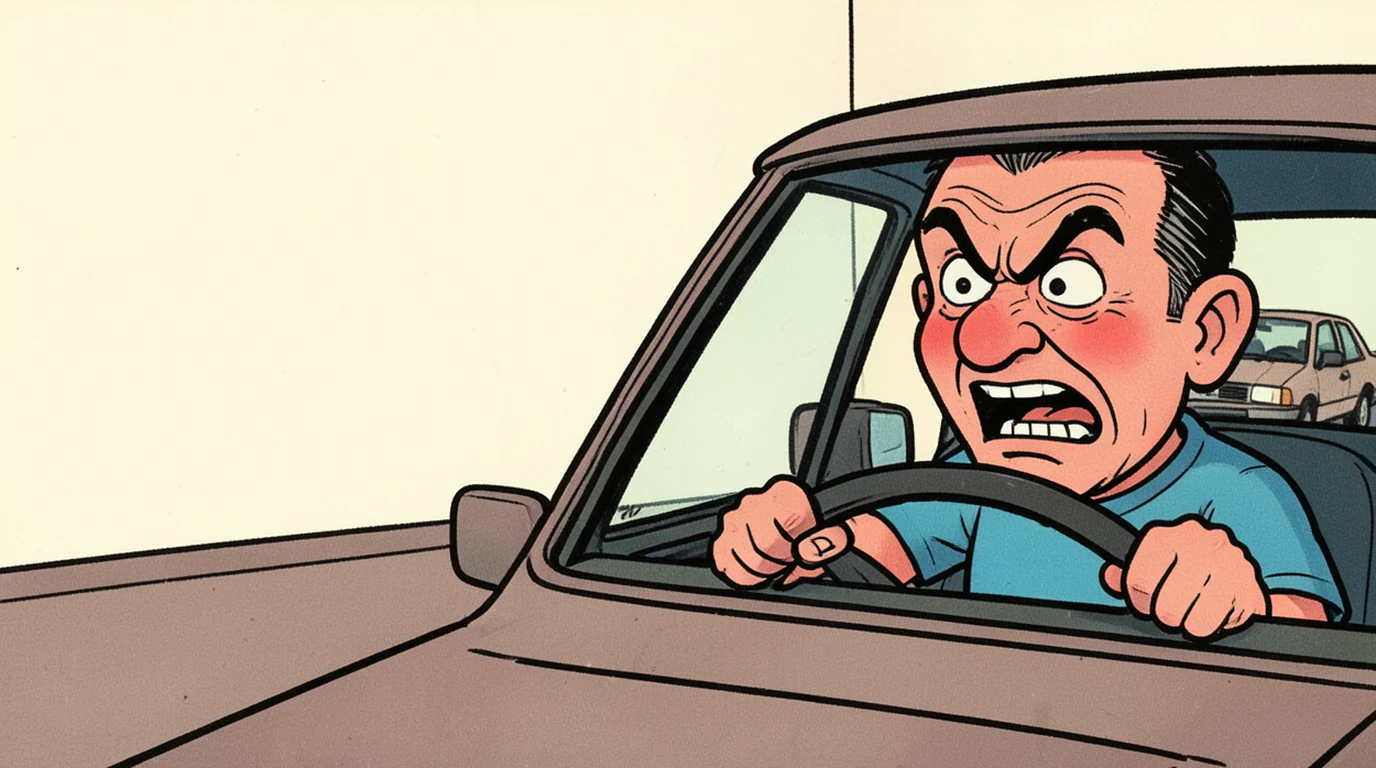
The seven reasons people are angry all the time
Most of the time it is not one reason. It is two or three, stacked on top of each other. Read all seven. Under each one there is a line to check against your own life.
1. You are not sleeping enough.
This one is bigger than most people think. In a 2018 study, people slept two to four hours less than usual for two nights. Then they did a boring task with an annoying noise. They got much angrier at the noise than rested people did. And instead of getting used to it, they got angrier on the second day.
What it costs you: you snap at people who did nothing new. The same joke that was fine on Sunday is an attack on Wednesday.
This is you if your worst days follow your worst nights.2. Your body is running low in other ways.
Hunger and low blood sugar make people short and sharp. So do hormones. Thyroid problems, the days before a period, menopause, and low testosterone can all turn the volume up on anger. So can pain that does not go away, and being sick for a long time.
What it costs you: you blame the people around you for something your body is doing.
This is you if the anger comes at the same time of day, or the same time of the month. A doctor can check these things with a simple test.3. You carry too much, and you cannot put it down.
Stress. Money. A job that never ends. Kids, parents, forms, the dentist, the milk. When you feel treated unfairly and you cannot change it, anger grows. When someone does not respect your time, your feelings, or your things, anger grows. When someone interrupts you while you are trying to get one thing done, anger grows. Grief does it too: when you have lost someone, every other feeling is harder to carry. The list gets longer all week. Then one small thing comes, and you blow up.
What it costs you: to everyone else, you got angry over nothing. You know it was not nothing. It was everything, all at once.
This is you if the fight is never really about the thing you fight about.4. Things did not go the way you expected, and your mind adds words.
You expected help. You expected a thank you. You expected the plan to hold. It did not. Being blocked like this makes people angry, even when nobody meant it. A well known study from 1989 showed that. Then the words in your head make it bigger: "always", "never", "this is awful". Howard Kassinove, who has studied anger for decades, puts it this way: what makes you angry is how you read what happened.
What it costs you: you replay the moment, and it gets worse each time you replay it.
This is you if you argue with people in your head hours after they left the room.5. Another feeling is hiding under the anger.
Under the anger there is often another feeling: fear, hurt, shame, loneliness, disappointment, or plain tiredness. Anger feels stronger than those feelings. So it comes out first. A father shouts at a child who ran into the road. The feeling was fear. The sound was anger. When the feeling underneath is aimed at you, the question changes to why do I hate myself.
What it costs you: after the anger, you feel sad or ashamed, not relieved. And the real feeling never gets a word.
This is you if you feel worse after a blow-up, not better.6. You learned it, or it was done to you.
Some of us grew up in homes where anger was the only loud voice. It got things to move. So we learned it. Others grew up being told anger was never allowed, so it comes out sideways now. Others were hurt in the past, and the body still treats small things as danger. The NHS and the charity Mind both name these as common roots of anger that lasts. Old anger that never got said out loud works the same way: it waits for the next small thing.
What it costs you: you hear a voice you swore you would never use, and it is yours.
This is you if your anger sounds like a parent's voice, or if it started after something bad happened to you.7. The anger is a sign of something a doctor should look at.
Anger and irritability often travel with other things. About half of adults with depression say they are highly irritable. Anxiety keeps the body ready for danger, so small things get treated as danger. People with ADHD often describe a short fuse and a low threshold for frustration. Alcohol and drugs lower the brakes. None of this means something is wrong with who you are. It means the anger has a partner, and the partner can be treated.
What it costs you: you fight the anger for years while the real thing stays untouched.
This is you if the anger came together with low mood, worry, trouble focusing, or a change in your sleep.
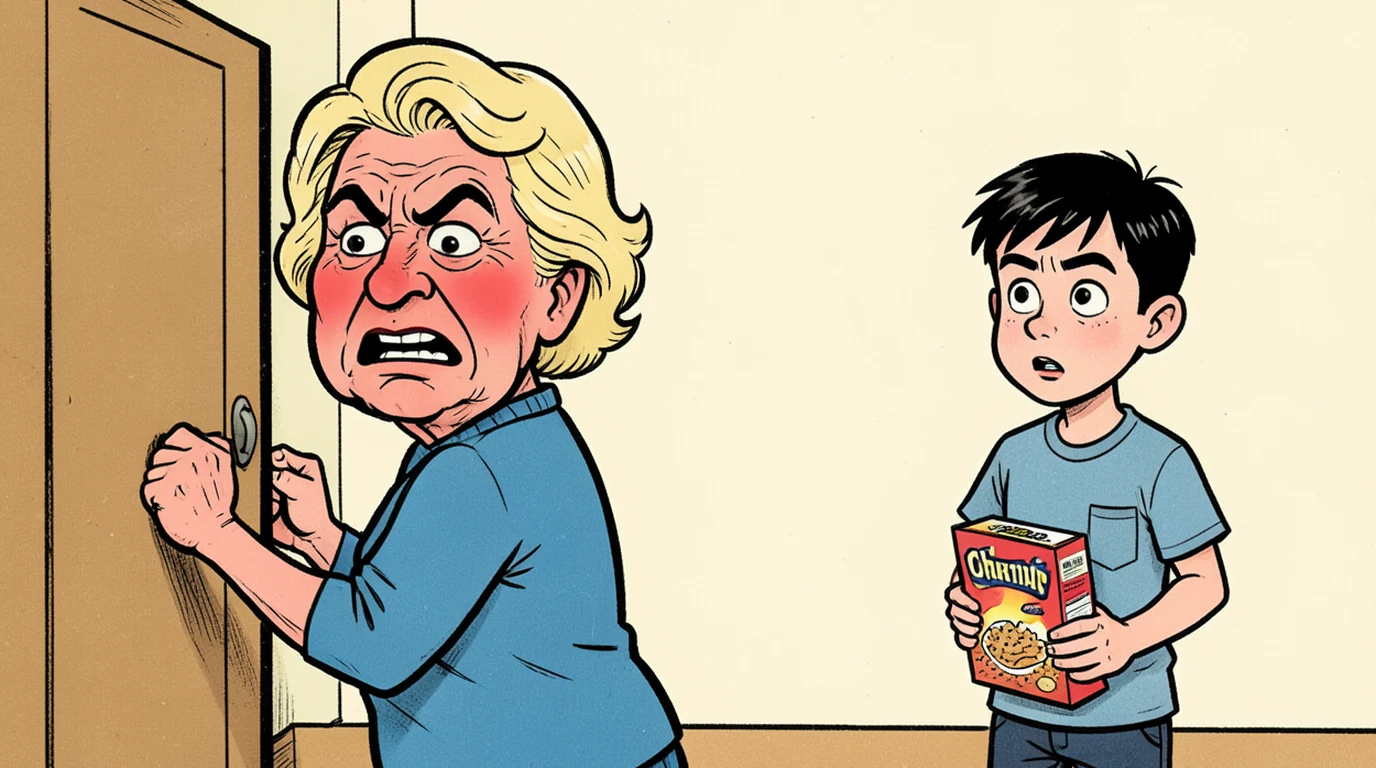
Why it feels like all the time
Because the reasons stack. Less sleep, plus a full plate, plus one broken expectation. Each one lowers the line. By evening, the line is on the floor.
And anger feeds anger. After one blow-up you brace for the next. You start the day already on guard. A grudge keeps yesterday's anger alive today. Most of the time, "all the time" means many small angers that never got to end.
What it takes out of you
You probably know most of this already. It helps to see it in one place.
- Your body. In a 2024 study, people recalled something that made them angry for just a few minutes. Their blood vessels stayed stiffer for the next forty minutes. Over years, doctors link anger that never rests to high blood pressure and heart problems.
- Your people. Anger is the feeling most likely to cause trouble at home, at work, and with friends. Kids remember the voice, not the reason. Partners go quiet. Then the whole house goes quiet. If that distance has become the normal, read why do I push people away.
- Your mind. Anger that stays often brings low mood with it. Doctors say keeping it inside can hurt as much as blowing up.
- Your choices. Angry people decide fast and take more risks. Some drink to cool down, and drinking makes anger worse.
- Your days. You start to avoid people, so you do not blow up. Saying sorry becomes a habit, and then it starts to feel cheap, even to you.
What helps, for most people
These come from health services and anger researchers. They work on the moment. They will not tell you which reason is yours, but they will give you room to find out.
- Sleep first. Seven to eight hours. If you fix nothing else this month, fix this one.
- Eat before you argue. Low blood sugar is a real cause of a short fuse.
- Give it ten seconds. Count to ten. Breathe out slowly. Step out of the room. The earlier you catch it, the smaller it stays.
- Change the words. Say "this is unpleasant" instead of "this is awful". Judge what the person did, not who they are.
- Ask what is under it. Before you answer, ask yourself: what else am I feeling right now?
- Keep a small log. When it happened. Where. Who was there. How you slept the night before. After two weeks, you will see a shape.
- Say it early and calmly. Tell people you are angry and why, before it boils. Start with "I", not "you": "I am upset that dinner is late", not "you never help". Firm and loud are different things.
- Let go of the grudge when you can. Doctors at the Mayo Clinic say it plainly: holding on to anger crowds out the good feelings and leaves you bitter. A little humor about how things went helps more than it should.
- Move your body, and keep your people close. Both lower the line.
What usually does not work
- Pretending you are fine. The anger does not leave. It waits.
- Telling yourself, or anyone else, to calm down. It makes the feeling louder, not quieter.
- Trying to fix everything at once. Pick one thing. Sleep is a good first pick.
- Drinking to cool off. It works for an hour and costs you the next day.
When this is bigger than a page
Talk to a doctor if you are hurting people or things, or if your family is scared of you. Talk to one if the anger came with low mood or worry that has lasted more than two weeks. Ask for a simple check of your thyroid, your blood sugar, and your hormones if the anger keeps a schedule. These are normal things to ask. Anger that lasts is common, and it is treatable.
So which of the seven is yours?
You read them all. You said yes to two, maybe three. Every article stops here, and this is exactly where the useful part starts.
The answer was never going to be in a list. It is in the last three times it happened. What the day had already put on you. Who was in the room, and what they said in the ten seconds before. What you did with the hour afterwards.
Nobody has ever read those three times back to you. Not a friend, not a therapist in a first session, and not you, because you were inside them.
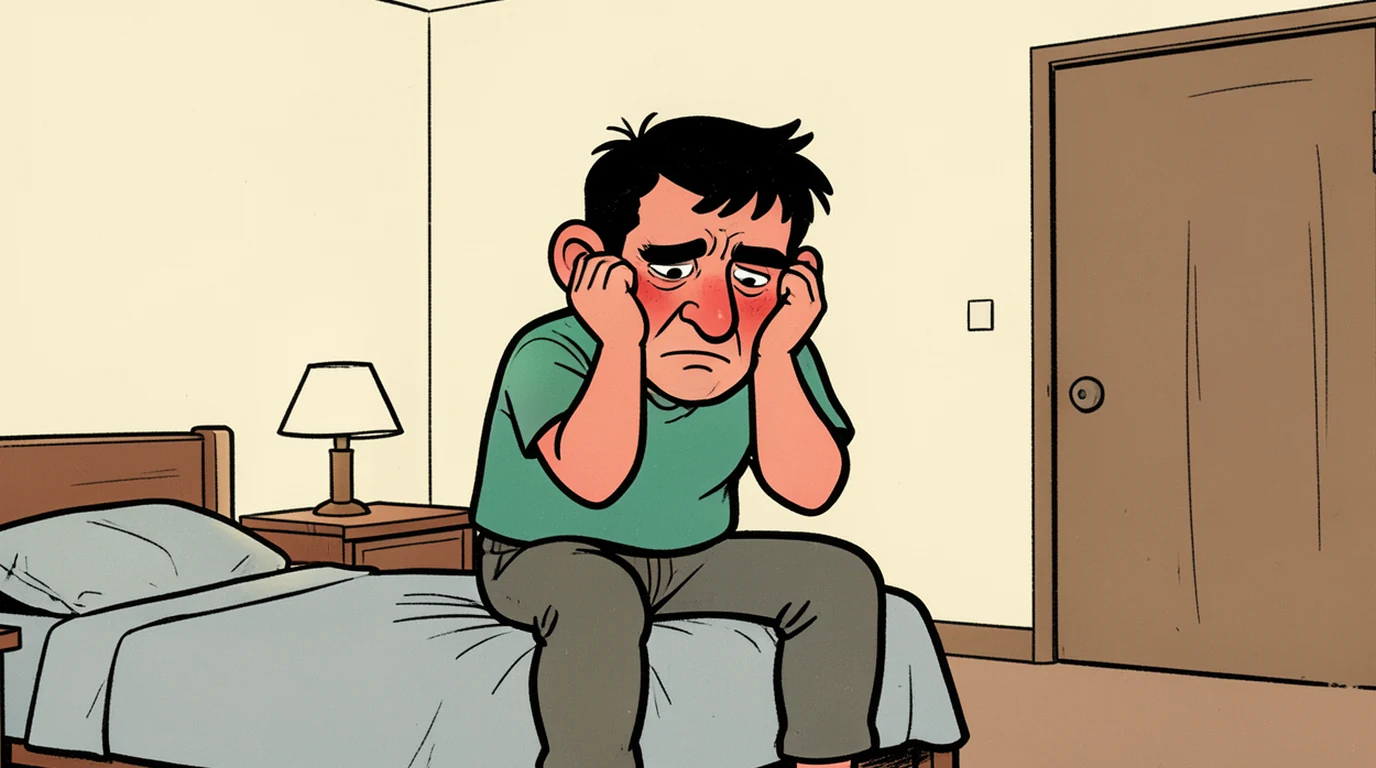
That is what we do, and we call it a three-moment read.
You tell us about three times it happened, in your own words. Ten minutes, typed or spoken. You also give us the day, the time and the place you were born, and we draw two charts from that: one map of how you take in the world and make decisions, one for where you are in your life right now.
Then we read the three moments against the charts, and against what psychology knows about the seven reasons above. Not one of them alone. All of them at once, on your three moments, which is the part no article and no quiz can do, because they do not have your three moments.
What comes back is not advice. It is an explanation of you: which reasons are yours and why, what happens in the ten seconds before it goes, who is usually in the room, and one small thing to try for thirty days.
Your anger, explained from your own life
Written from your three moments and your charts. Your words are in it, in quotation marks, because that is where every line comes from.
It ends with a small experiment for the next thirty days, built for your reason, not for the average of everyone who read this page.
Examples of the shape. Yours are written from your own life.