Start with the thing that is doing the most damage: the idea that this is a headcount problem.
It is not. Loneliness is a gap. It sits between the connection you want and the connection you have. That is close to the wording a national health office uses. It is also why the feeling survives a full room, a good marriage and a busy week.
The health service says it in one flat line: you do not have to be on your own to feel lonely. Many people feel it in a relationship, or while spending time with friends and family.
So the question underneath your question is not how many people you know. It is which need is not being met, and why it has stayed unmet. Seven reasons cover almost everybody. Two or three of them will be yours.
It is not a headcount
One study measured both sides of this. It found that the perceived quality of a person's connections tracked with poor mental health. The quantity did not.
That result explains the sentences people actually type at two in the morning. "I have friends. But still, living alone feels so lonely." "I am in my first long term, wonderful relationship. I do still feel lonely. A lot." Neither person has a maths problem.
It also explains why the usual advice slides off. Get out more, join something, text an old friend: all of that is advice about quantity. If the gap is that nobody currently knows the true thing about you, another Tuesday in a crowded room does not close it.
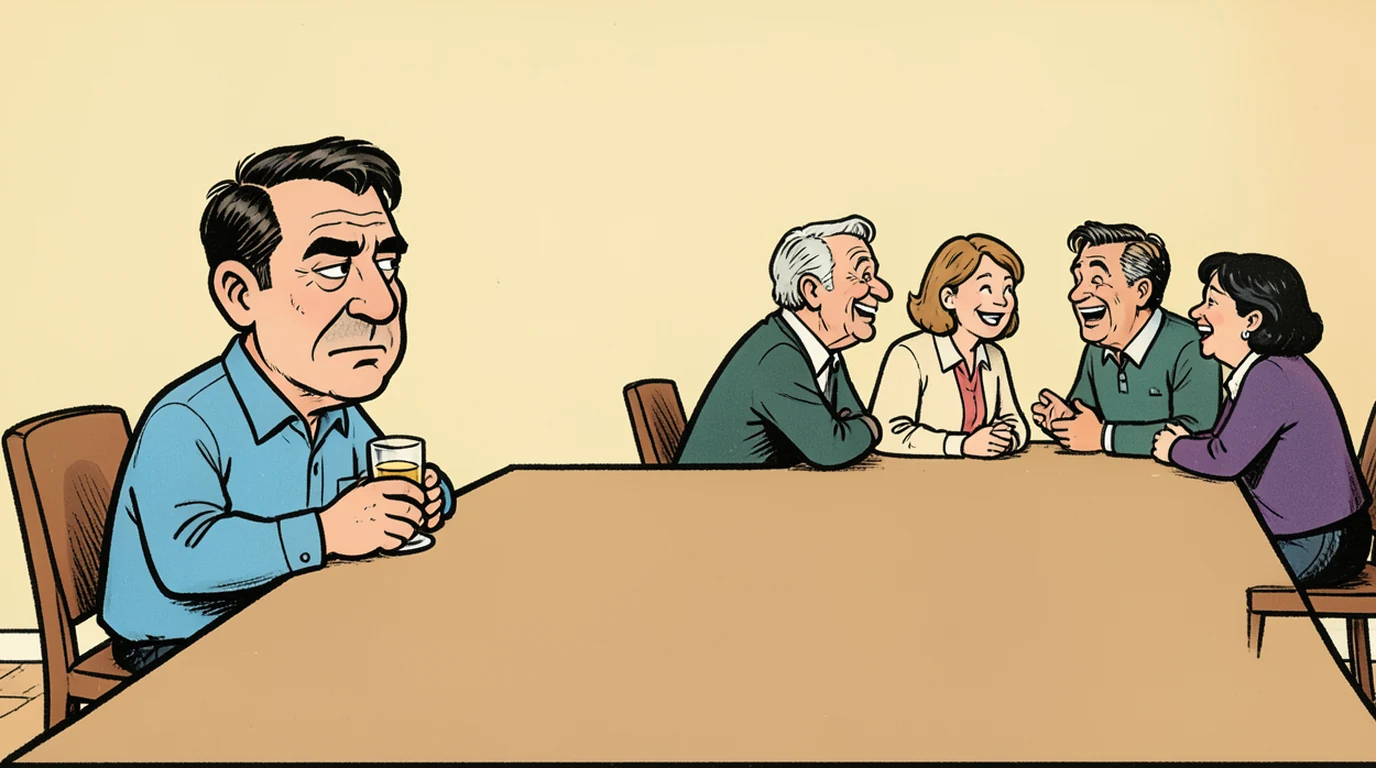
Researchers put it another way. What makes the feeling bite is emotional distance, not physical distance. A person can be across the table and still be far away.
In the United States, call or text 988. In the United Kingdom and Ireland, call 116 123. Anywhere else, your local emergency number. Loneliness that has got that heavy is a reason to reach out tonight, not a character flaw, and this page will still be here.
What the feeling is actually for
Here is the reframe that takes the weight off, and it comes from the people who study it rather than from a poster.
Loneliness is a signal. It works the way hunger works. It does not report on how likeable you are. It reports a need going unmet, and it gets louder until something changes. One researcher puts it plainly: it tells us something is wrong with our social environment and that we need to do something about it.
Somebody on a forum found the same words with no research behind them. It feels, they wrote, like being hungry and not being able to eat.
This matters more than it sounds, because of what people do with the alternative. Read the feeling as a verdict and the answer becomes "I am unlikeable" or "I am unlucky". Both are dead ends. You cannot act on either. Read it as a signal and the question changes to which need, and that one has an answer.
One more line before the list, because it is the one people need permission for: feeling lonely is not a mental health problem. Most people pass through it. It becomes a health question only under the conditions further down this page.
The seven reasons
Read these for the click of recognition. At least two are yours.
1. Something changed, and the old structure went with it.
The health service lists the usual ones, and they are all ordinary. Living or working alone. Retirement. Illness. Losing someone. Moving to a new area, job or school. To that list others add a break-up, a new baby, starting university, and the stretch around Christmas or Ramadan or Valentine's day.
What these have in common is not sadness. It is that each one quietly deletes the structure that used to put people in front of you without you arranging it. The office corridor. The school run. The shared house. Nobody replaces that on purpose, so nobody notices it has gone until the evenings get long.
2. You have people. You do not have the one you can say the true thing to.
This is the reason most often mistaken for the first one, and it is a different animal. You are not short of company. You are short of a particular kind of contact: the one where you say the thing you actually think and it lands.
Somebody wrote it exactly: the feeling of emptiness is still there despite making friends, having a great job. That is not ingratitude. It is one need going unmet while every visible box is ticked. If you also keep shutting the door on people, read why do I push people away. That is also why it is so hard to explain to the people who are right there.
3. The loop. You expect to be turned down, so you stop reaching.
This one is the reason it sticks, and it is the most useful thing on the page.
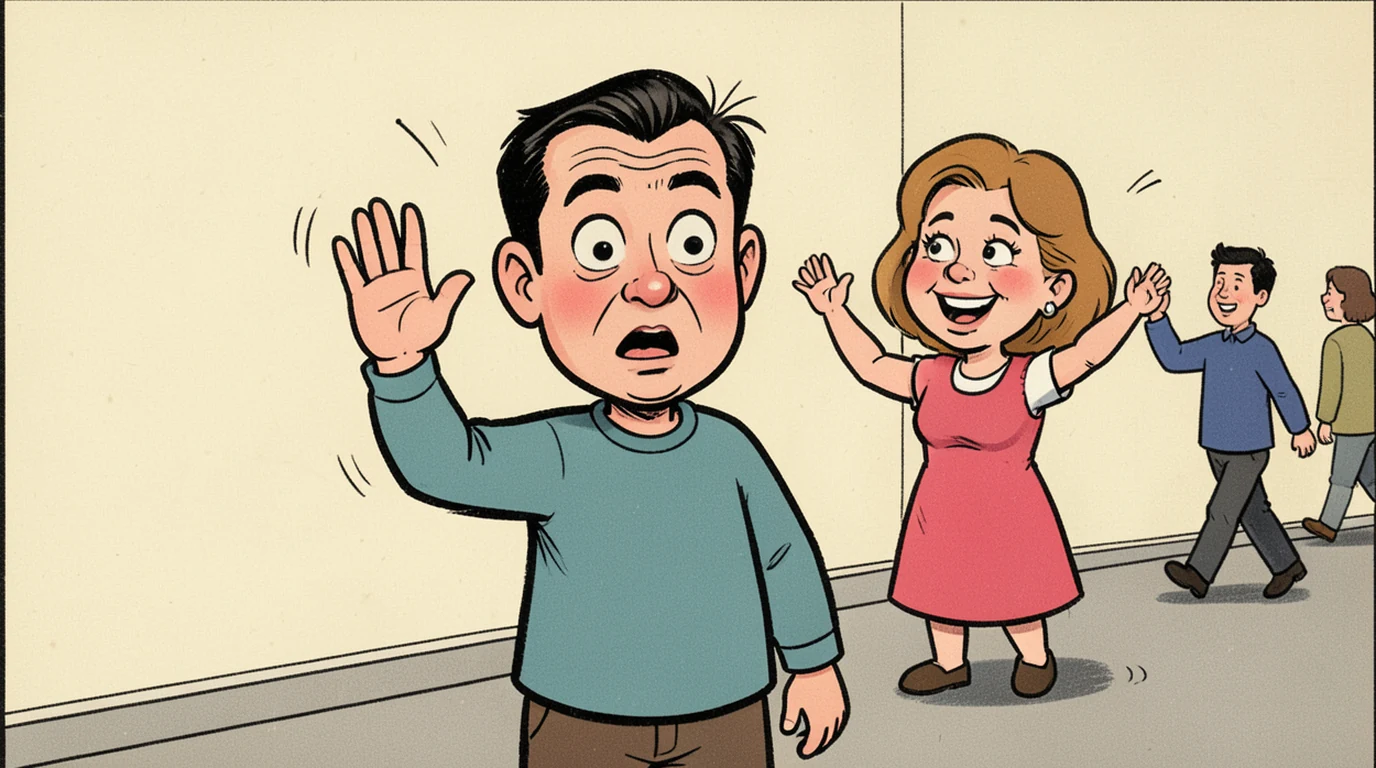
People who have been lonely for a while start reading neutral faces as rejecting ones. A researcher describes it directly. If you are used to being alone and used to feeling rejected, you read a face as rejecting you. So you do not send the message. So there is less contact. So the reading gets more convincing. The same machinery, pointed at a room, is why do I feel like everyone hates me.
Nobody inside the loop sees a loop. It feels like plain information about how people see you. That is what makes it worth naming, and it is why the best evidence about what helps points at this reason and not at the others.
4. Depression is doing it, and it hides behind the loneliness.
These two run in both directions. Depression pulls people away from others, and being cut off deepens depression, and after a few months you cannot tell which arrived first. The flat version of it has its own page: why am I so lazy.
The size of the link is worth knowing. In one study the loneliest people were many times more likely to be depressed than the least lonely, and the same for anxiety. The link was stronger in men, and stronger in younger adults.
If the flatness covers everything, not just the empty evenings, this reason is worth taking to a doctor rather than to a hobby class. There is a section further down on when.
5. You are somewhere new, and nothing has grown yet.
Connection needs repeated accidental contact and a shared thing to talk about. A new city, a remote job, a move away from where you grew up, families spread across three countries: each one strips out the accidents.
The pattern shows up in the numbers. In the largest survey of this, loneliness went down with age, was higher in men, and rose with how individualistic the culture was. The most exposed group was younger men in countries built around the individual. If that is you, this is not a personal failing. It is a demographic you were placed in.
6. The contact you have is shallow by design.
Some of what looks like connection is built to look like connection. Frequent messages with no weight in them. A feed that shows you the edited evenings of two hundred people. Contact that is fast, constant and thin.
The research on whether social media itself causes harm is genuinely mixed and we are not going to pretend otherwise. What is not in dispute is the comparison problem: you are measuring your ordinary Tuesday against everybody else's best forty seconds, and the health service's own advice says not to.
7. Something earlier taught you it was not safe to get close.
The heaviest kind of loneliness travels with a history. In one study, difficult experiences in childhood and in adulthood were each independently linked with the most distressed group of lonely people.
What that looks like day to day is rarely dramatic. It is holding back the last twenty percent. Leaving before you find out. Being liked by many and known by none. None of it is a decision you remember making.
Lonely in a relationship
This has its own question and its own set of answers, so it gets its own section.
First, it is common, and it is not proof that the relationship is broken. Several sources say it plainly: feeling lonely with a partner does not necessarily mean anything is wrong with the partnership.
The people who work with couples name the same causes. Emotional distance rather than physical. Needs that were never said out loud. Conflict avoided until avoiding it is the habit. Talk that is frequent and thin. And the slow crowding out of emotional space by the practical business of a shared life.
And here is the part that surprises people. More time together is usually not the fix. One source calls it flatly a mistake: couples think the antidote to disconnection is more hours in the same room, and it is not. Two people can be in the same room for a decade. What closes the gap is emotional contact, not proximity.
What they suggest instead is small. Say it without blame. "I have been feeling disconnected from you lately, and I miss you" invites, while "we never talk any more" defends. Ask a real question. Put the screens down for a set hour rather than in principle. Notice the small moves toward you and answer them. Those are what a relationship runs on.
And a line worth keeping: there is no crisis threshold you need to reach before it is all right to ask for help with this.
Lonely, and wanting to be left alone
People search for this exact contradiction, so let us take it seriously. "I want so bad to just BE with someone, but at the same time, I don't want to be bothered."
That is not a contradiction and it is not you being difficult. It is entirely possible to want to be alone and to feel lonely at the same time, and the two usually have different causes sitting underneath.
Withdrawal is often a symptom rather than a preference. Most people who are depressed pull away from others. It is one of the first things depression does. Burnout does it. So does taking in more than most people do. For some, company is genuinely expensive, and the bill arrives afterwards.
The useful distinction the sources draw is between solitude and isolation. Solitude is chosen and it puts something back. Isolation is not chosen and it takes something away, and it usually arrives with distress. Same empty flat, two different conditions.
Which is why the answer here is not to force yourself out. It is to find out which one you are in, because if the withdrawal is a symptom, the thing to treat is the symptom's cause.
Is it normal?
Yes, and every serious source in this field opens with it. Most people feel lonely sometimes. Anyone can. It is normal, and on its own it is not a mental health problem.
The line where it stops being ordinary is not about how bad it feels on a given night. The sources draw it in three places.
- How long. Occasional is one thing. A deep version that has gone on for a long time has a name, chronic loneliness, and it behaves differently.
- Whether it is stopping you. If it is affecting your work, your studies, your relationships or your ability to run an ordinary day, that is the marker several sources use.
- What else came with it. A low mood for more than two weeks is the health service's own line for booking an appointment.
Note what is not on the list. How many friends you have. Whether you live alone. Whether you are in a relationship. None of those decide it.
What it takes out of you
This section is where most pages either frighten people or go quiet. We are going to give you the numbers and the caveat that belongs with them, in the same breath.
The numbers are real. A large review found that people who felt lonely were about a quarter more likely to die early than people who did not. Being cut off, and living alone, came out about the same. A second review found a higher risk of heart disease and of stroke, by roughly a third in both cases.
Now the caveat, which is in the cardiology statement itself and almost never gets quoted. The effect sizes are small. Other factors that were not measured could explain part of it. And there are no trials showing that treating loneliness changes those outcomes, because nobody has run them.
So the honest reading is this. Loneliness belongs on the list of things that are bad for a body over years. Nobody can tell you what fixing it does to your own risk. That is a reason to take the feeling seriously. It is not a reason to lie awake doing arithmetic about your heart.
The costs you will actually notice are nearer than that: sleep that does not work properly, concentration that slides, decisions that get harder, and the pull toward the things that take the edge off for an hour and leave it worse.
What helps, and what the sources argue about
Start here, because this is the best-evidenced thing on the page
Somebody went through the trials run on loneliness and compared what each approach achieved. Giving people more contact helped. So did social skills training, and so did more support. The approach that did the most was the one that worked on the way people read other people.
That is reason three from the list above. The expectation of rejection, the neutral face read as a closed door, the message not sent. Work on that and the rest gets easier; leave it alone and more contact walks straight into it.
In practice that means catching the sentence as it happens. She has not replied because she is done with me. Nobody wanted me there. Written down, those are predictions rather than facts, and a prediction can be checked. It is slow and it is unglamorous and it beats everything else that was tested.
Then the small mechanical things, which work better than they sound
Start ridiculously small. This comes from a health service rather than a blog. Talk to the server in a cafe, or the person in the shop. Then a group. And when you go to a group, you are allowed to ask to come along and just watch the first time. Nobody tells people that. It removes the exact thing that stops them.
One person, not a circle. Find one person you can lean on. Aiming at a big circle of close friends is what stops people starting.
Go outside, and not for the exercise. In one study, people who spent time around trees and grass and weather were noticeably less lonely. It is the cheapest thing on this page.
Say it to one person. Every source lists this and people skip it because of the shame attached. The shame is the thing to tell first.
Be active rather than passive with the feed. Talking to people through a screen is not the same activity as reading about them, even though it looks identical from outside.
What does not work, and what the sources disagree about
More people. The quantity fix is the most common advice in the field and it is aimed at the wrong variable. If the gap is depth, volume does not touch it.
Waiting for it to pass. Things will be easier when work slows down, after the move, in the spring. The distance just becomes familiar.
Expecting one person to fix it. Said bluntly on a forum by someone who had tried: relationships are not a solution to an empty life. A partner can close one gap. They cannot close all of them.
Alcohol, cigarettes, gambling, drugs. On the health service's own list of what not to reach for. They work for an hour, which is the problem.
Comparing. On social media you are seeing what people chose to show. The advice not to measure yourself against it is on the official page, which tells you how common the habit is.
Leading with blame. In a relationship, the first sentence decides the next twenty minutes. One invites. The other defends.
Being hard on yourself about it. Self-blame and shame make people withdraw further, which is the loop again, wearing a different coat.
When this is bigger than a page
Book an appointment if any of these is true. Not to be labelled. To find out what you are dealing with.
- Your mood has been low for more than two weeks.
- It is affecting your work, your studies, your relationships, or your ability to get through an ordinary day.
- What you have tried yourself is not helping.
- You are avoiding all social contact, not only the parts that tire you.
- You have lost interest in the things you used to like.
- The wish to be alone has held for weeks or months without lifting.
- You feel lonely, low or hopeless even when you are on your own and content to be.
In the United Kingdom you can refer yourself to a talking therapies service without going through a doctor first. Elsewhere, a doctor is the shortest route in. And the line that belongs here: there is no threshold of suffering you have to reach before you are allowed to ask.
So which of the seven is yours?
You read them. You said yes to two, maybe three. And this is exactly where every article on this subject stops.
It stops because the next step is not in a list. It is in the last three times the feeling arrived. Where you were. Who was in the room. What you almost said and did not. What you told yourself afterwards about why.
Nobody has ever read those three times back to you. Not a friend, who was in one of them. Not you, because you were inside all three.
Here is the whole thing, in three steps.
One. You tell us about three times it happened to you, in your own words. Ten minutes, typed or spoken. You give us the day, the time and the place you were born as well.
Two. We read those three times together, and write you why it happens. It is emailed to you within hours.
Three. You read the first part. If it is not you, say so and you get your money back.
What comes back is not advice. It is which of the seven are yours and why, what you need from people that you have never put into words, and one small thing to try for thirty days. All of it about you, in your own words.
What you need from people, explained from your own life
Written from your three moments and your charts. Your words are in it, in quotation marks, because that is where every line comes from.
It ends with a small experiment for the next thirty days, built for your reasons, not for the average of everybody who read this page.
See it done on you before you decide anything
You tell us about three times it happened to you. We write you why it happens. That is the whole thing.
- Written about you, from your own words
- How you are built, and what drains you
- One moment from your life, read back to you
- Why the same thing keeps happening to you
- What it is costing you, and where your energy goes
- How the people around you read you before you speak
- One small thing to try for thirty days
- Read the first part. If it is not you, your money back
Read the first part. If it is not you, say so and we return the full price. Once you open the rest, it is yours.
Every sentence comes from your own words and your birth details.
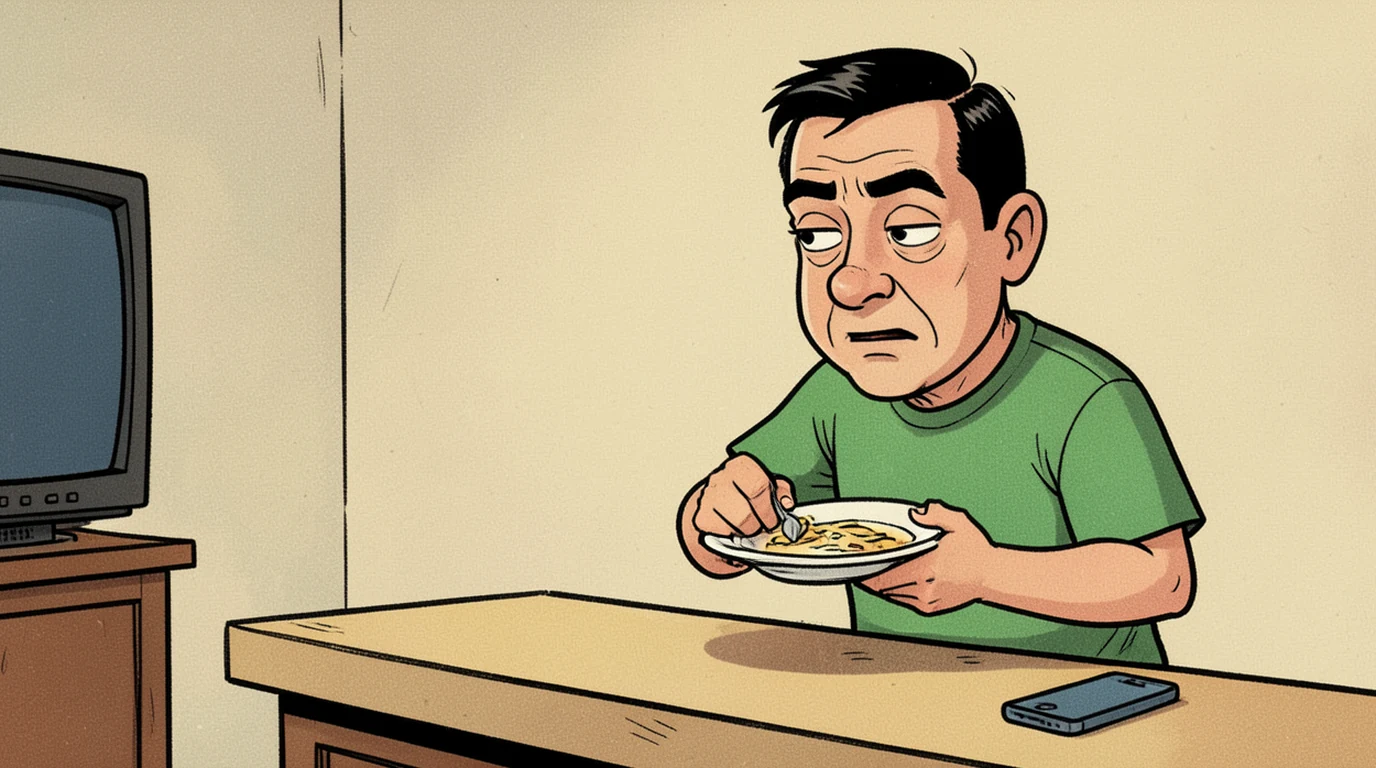
Thirty days from now, one of two things is true. Either the evenings look like this one, and you are still answering the question with a word about yourself. Or you know which of the seven are yours, what you have been needing, and one small thing to try on it.
Good to know
Can loneliness lead to depression?
The two are strongly linked and the traffic runs both ways: being cut off deepens low mood, and low mood pulls people away from others. In one study the loneliest people were around fourteen times more likely to have major depression than the least lonely. If the flatness covers everything and has lasted more than two weeks, that is a doctor's question rather than a social one.
What is emotional loneliness?
It is the second reason on this page: having company but not having the particular person you can say the true thing to. Social contact is present; the close kind is missing. It is why the feeling survives a full calendar, and why more invitations do not touch it.
What to do if you have been lonely a long time?
Two things, in this order. Take it to a doctor or a therapist, because the long version behaves differently from the passing kind and is worth assessing. And start on the thought rather than the headcount: the trials that worked best were the ones that changed how people read other people, not the ones that added more people.
Is it normal to feel lonely in a relationship?
Yes, and it does not on its own mean the relationship is failing. The causes named by people who work with couples are emotional distance, needs that were never said out loud, and conflict that gets avoided. More hours together is usually not the repair.
Why do I feel lonely but want to be alone?
Because wanting solitude and feeling lonely are two different things that can run at once. Withdrawal is often a symptom of something else, most commonly depression, burnout, or simply taking in more than most people do, so that company costs more. Chosen solitude puts something back; isolation takes something away.
Does being lonely really shorten your life?
The large reviews find higher odds of dying early and of heart disease and stroke, at sizes comparable to other accepted risk factors. The cardiology statement that collected them also says the effect sizes are small, unmeasured factors could explain some of it, and no trial has tested whether treating loneliness changes the outcome. Both halves are true.
Is this therapy?
No. It is an explanation of you, written from your own words and your birth details. It is not a diagnosis and not a treatment.
Is this a horoscope? What are the five ways?
No. The five ways are: your own words; a map of how you take in the world and make choices, drawn from your birth details (this one is called Human Design); your birth chart, used only for timing; what psychology knows about patterns like the ones on this page; and one small thing to try. The two birth-based ways are ways of reading, not settled science. We never use them alone, and we say what we could not read.